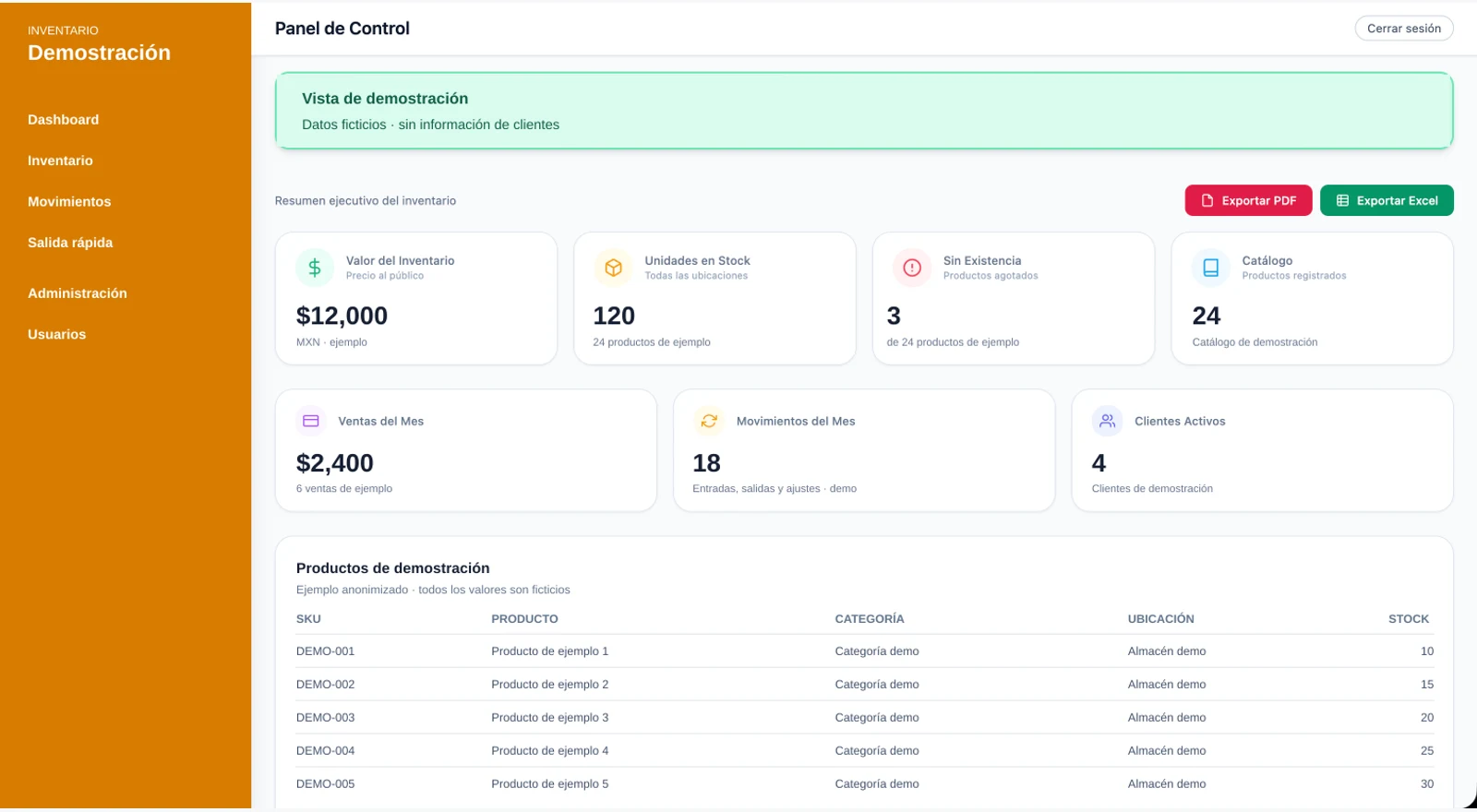

The cost of custom software depends mainly on how many processes it covers, how many exceptions each process has, how many systems it must integrate with and how demanding the security and availability requirements are. That is why there is no price for "a system": two projects with the same name can have completely different scopes.
Why can two quotes be so different?
Usually because they are not quoting the same thing. One proposal may include data migration, testing, documentation and support; another only the screens. Before comparing prices, compare which deliverables, responsibilities and assumptions each one covers.
Which factors drive the cost?
1. Functional scope
How many processes, roles and screens it includes. A purchase approval module is not the same as a system covering purchasing, inventory and invoicing.
2. Exceptions and business rules
The happy path is usually the simplest part. The effort is in the exceptions: cancellations, returns, special approvals, incomplete data. The more custom rules your operation has, the more design and testing it needs.
3. Integrations
Connecting to an ERP, CRM, e-invoicing or third-party systems can be simple if documented APIs exist, or complex when you have to work with exports, legacy systems or slow vendors.
4. Data migration and quality
If historical information lives in inconsistent spreadsheets, cleaning and validating it is part of the project. It is low-visibility work, but it decides whether the system starts with reliable data.
5. Security, compliance and availability
Fine-grained permissions, audit logs, sensitive data or regulatory requirements add design, testing and documentation.
6. User experience
An internal tool for five people doesn't need the same as a portal for hundreds of customers. The level of design, accessibility and mobile support affects the effort.
7. Operating after launch
Infrastructure, monitoring, support and continuous improvement are recurring costs worth knowing from the start, not afterwards.
How do you invest without betting everything on one quote?
The most sensible way to control cost is to split the project into phases, each with a verifiable outcome:
That way each investment is decided with real information rather than an estimate made before the problem was understood.
What should you ask before accepting a proposal?
When is custom software not the right call?
If your process is standard and an existing product covers it well, buying is usually faster and cheaper. Custom software is justified when your operation is different, when current tools force people to work around them or when the cost of fragmented information already exceeds the cost of fixing it.
Summary
Custom software pricing is driven by scope, exceptions, integrations, data, security, user experience and ongoing operation. To invest with less risk, start with discovery and a first module with clear success criteria.
At QuantixCode we quote in phases after understanding your operation. If you are evaluating a custom system, we can help you define a realistic first module.