Telemedicine Platforms
Video consultations, appointment scheduling, and secure patient-provider communication designed around healthcare workflows.
Services
Custom software, automation and AI for companies that need to unify their information and operate better.
See all services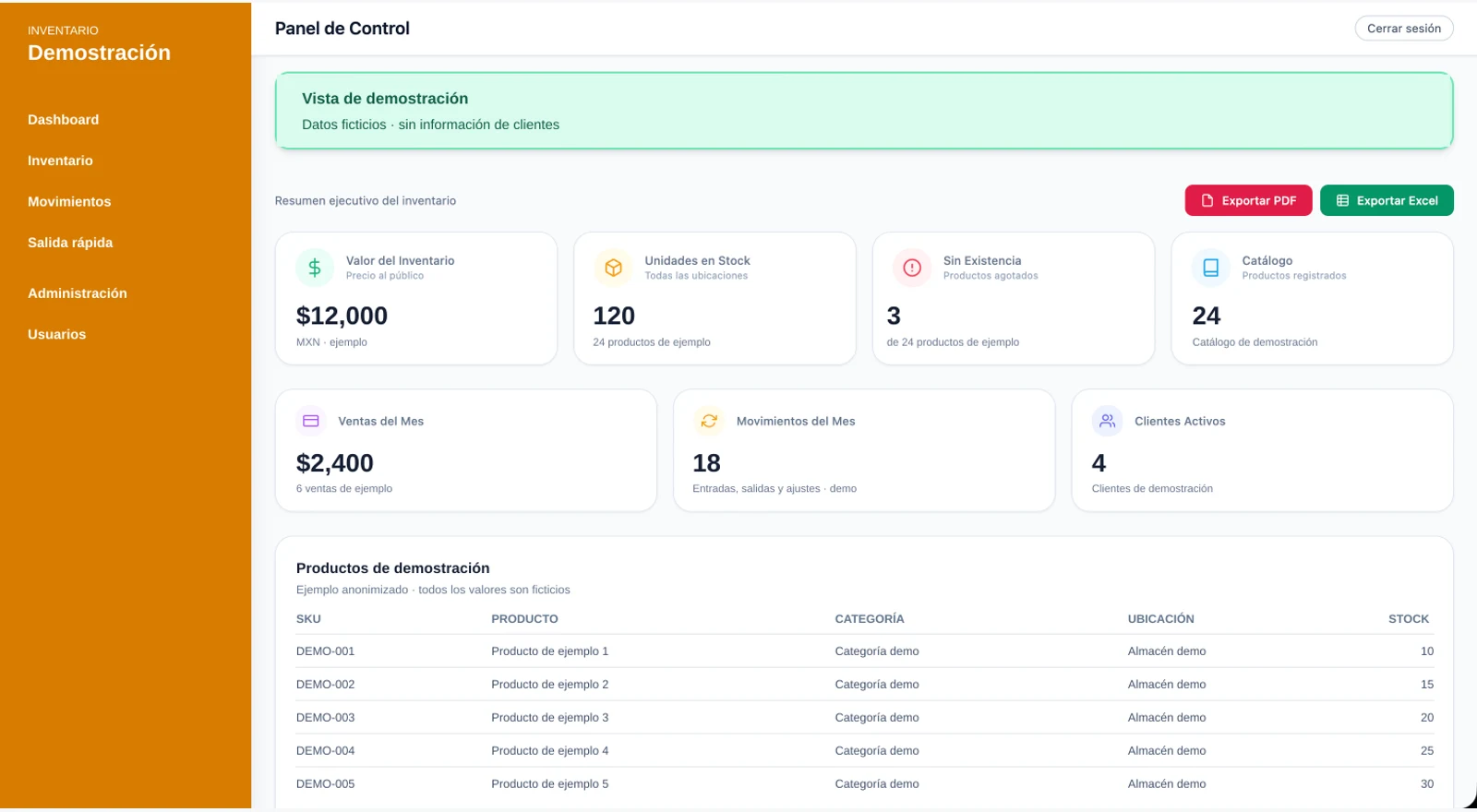 Case studyInventory ManagementWarehouse and sales operations without spreadsheets.View case
Transforming Healthcare Delivery
We develop innovative healthcare technology that improves patient outcomes and streamlines clinical operations. From telemedicine platforms to medical device integration, we build solutions that matter.
Build Your Intelligent SystemThe challenge
In healthcare, operational friction doesn't just cost time: it affects patient experience and the load on clinical staff.
Records, results and appointments live in different systems. Staff spend time searching instead of caring for patients.
Reminders, confirmations and follow-up depend on phone calls and spreadsheets.
Any system must control access, log who saw what and protect sensitive data by design.
What we build
Each module can start on its own and later connect to the others and to the systems you already use.
Video consultations, appointment scheduling, and secure patient-provider communication designed around healthcare workflows.
Electronic health records with interoperability, clinical workflows, and seamless data exchange.
IoT device integration, real-time vital signs tracking, and automated alerts for healthcare providers.
AI-powered diagnostics support, population health analytics, and predictive care models.
Prescription management, drug interaction checks, and automated dispensing system integration.
Staff scheduling, resource management, billing integration, and operational efficiency tools.
In practice
An example of coordination between front desk, clinical staff and patient, with traceability at every step.

The patient books online and gets reminders; the front desk sees the real schedule without extra calls.
Clinical staff see relevant history and results in one view, with role-based access.
Tests and prescriptions are recorded and results return to the record with an alert to the owner.
Follow-up reminders and alerts go out according to the agreed plan, with every contact logged.
Use cases
If one of these looks like what you need, it is a good starting point for a first conversation.
How we work
We don't start with a full rebuild. We pick a workflow with clear impact, get it running and grow from there.
Step 01
We map the current workflow, who is involved, what data exists and where time or control gets lost.
Step 02
We agree on scope, success criteria and how it will be validated. We ship working increments, not just documents.
Step 03
We connect the module to your ERP, spreadsheets or other tools so information is never entered twice.
Step 04
We support adoption, measure against what we agreed and prioritize the next module with real data.
FAQ
Examples on this page describe typical capabilities and workflows, not results from a specific client.
Tell us where work slows down. We'll show you where AI, automation, or an AI-native platform can create measurable value.