Inventory Visibility
Custom systems for stock movements, item status, location tracking, and warehouse-level visibility across operations.
Services
Custom software, automation and AI for companies that need to unify their information and operate better.
See all services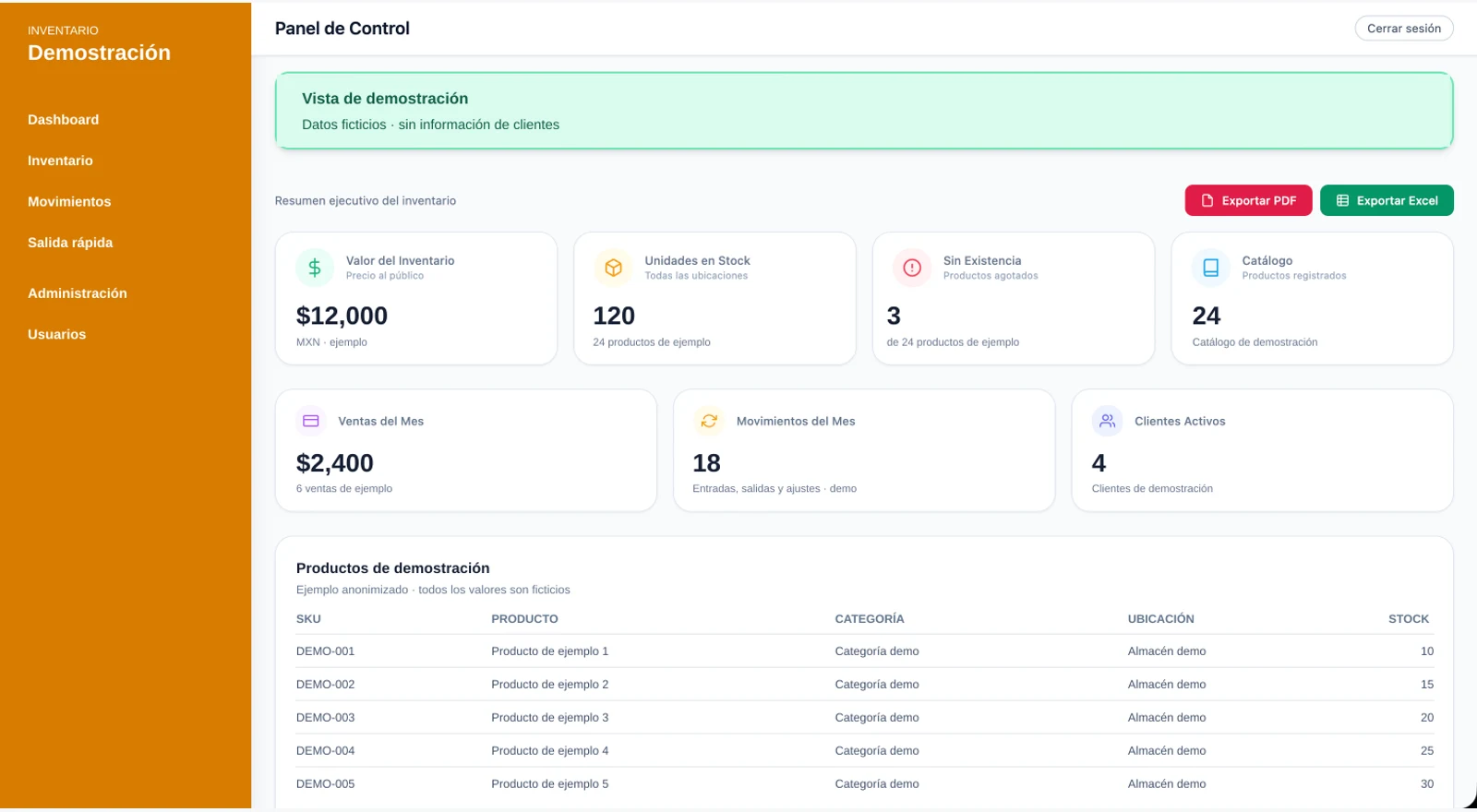 Case studyInventory ManagementWarehouse and sales operations without spreadsheets.View case
Operational Visibility Across the Supply Chain
We build custom logistics systems for companies that need tighter inventory control, warehouse visibility, delivery coordination, and operational reporting. Our software helps logistics teams replace fragmented spreadsheets with connected operational infrastructure.
Build Your Intelligent SystemThe challenge
Most logistics teams don't have an effort problem, they have an information problem: it arrives late, it is scattered, or it doesn't match across teams.
The system says one thing, the warehouse another and purchasing a third. Every decision starts with a call to confirm.
Assignments, changes and confirmations live in messages and emails. Nobody has the full picture of the day.
Exceptions are found when the customer has already complained, not while there was still time to react.
What we build
Each module can start on its own and later connect to the others and to the systems you already use.
Custom systems for stock movements, item status, location tracking, and warehouse-level visibility across operations.
Operational tools for receiving, picking, packing, transfers, and internal coordination inside warehouse teams.
Workflow layers for routing, dispatch updates, delivery status, and operational follow-through across teams.
Connections between ERP, CRM, spreadsheets, internal tools, and external logistics platforms to keep data aligned.
Dashboards for throughput, delays, fulfillment issues, inventory risk, and team productivity.
Automated alerts, approvals, task routing, and operational triggers that reduce manual work and improve reliability.
In practice
This is what a typical workflow looks like when inventory, warehouse and delivery share the same information.
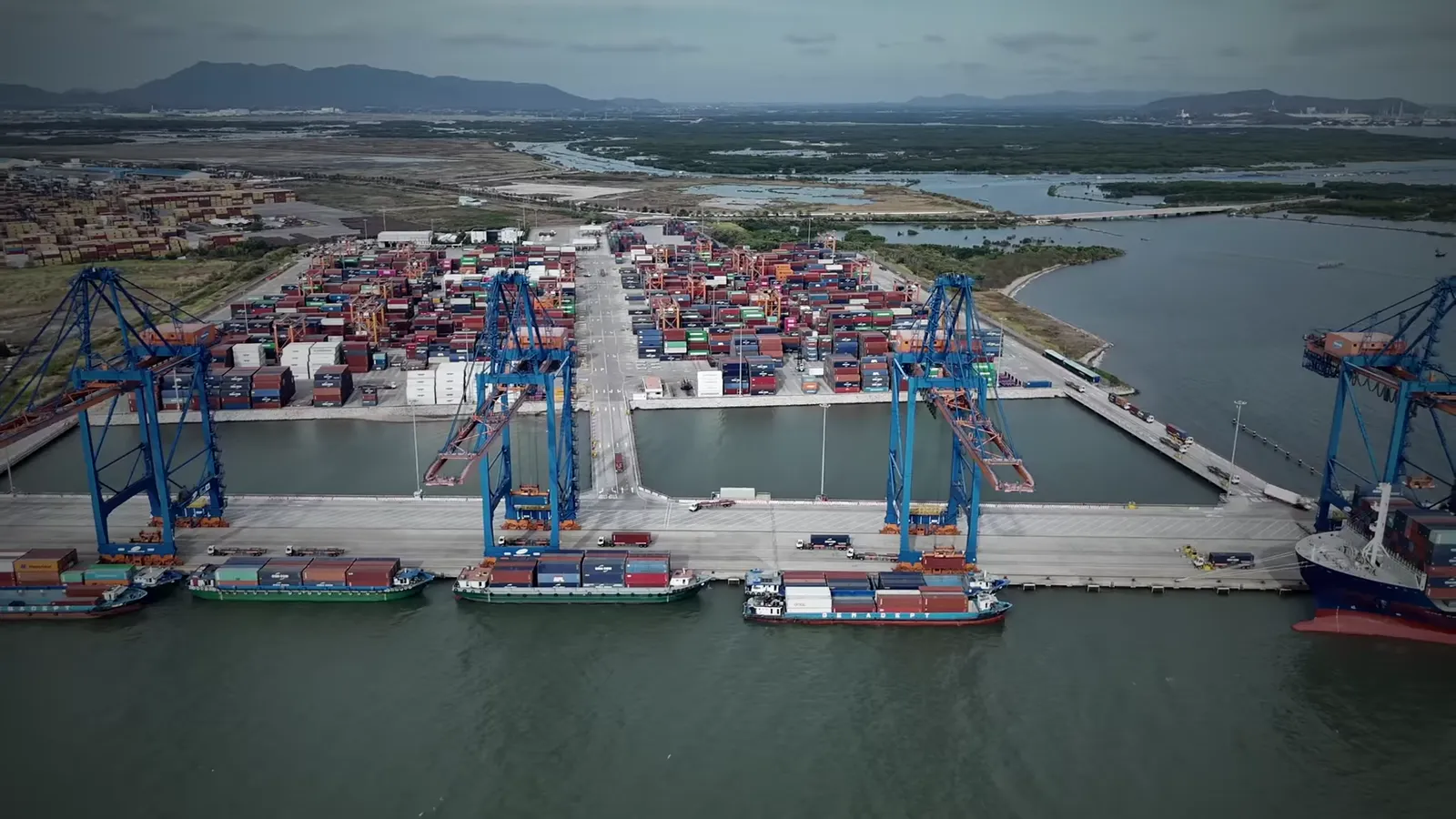
It arrives from your ERP, e-commerce or manual entry and is checked against available stock by location.
Rules you agree on decide where to fulfill from; the team gets the task with priority and an owner.
Route and vehicle are recorded; every status change is visible to operations and customer service.
If something is late or missing, the system alerts whoever needs to decide, with the context to act.
Use cases
If one of these looks like what you need, it is a good starting point for a first conversation.
How we work
We don't start with a full rebuild. We pick a workflow with clear impact, get it running and grow from there.
Step 01
We map the current workflow, who is involved, what data exists and where time or control gets lost.
Step 02
We agree on scope, success criteria and how it will be validated. We ship working increments, not just documents.
Step 03
We connect the module to your ERP, spreadsheets or other tools so information is never entered twice.
Step 04
We support adoption, measure against what we agreed and prioritize the next module with real data.
FAQ
Examples on this page describe typical capabilities and workflows, not results from a specific client.
Tell us where work slows down. We'll show you where AI, automation, or an AI-native platform can create measurable value.