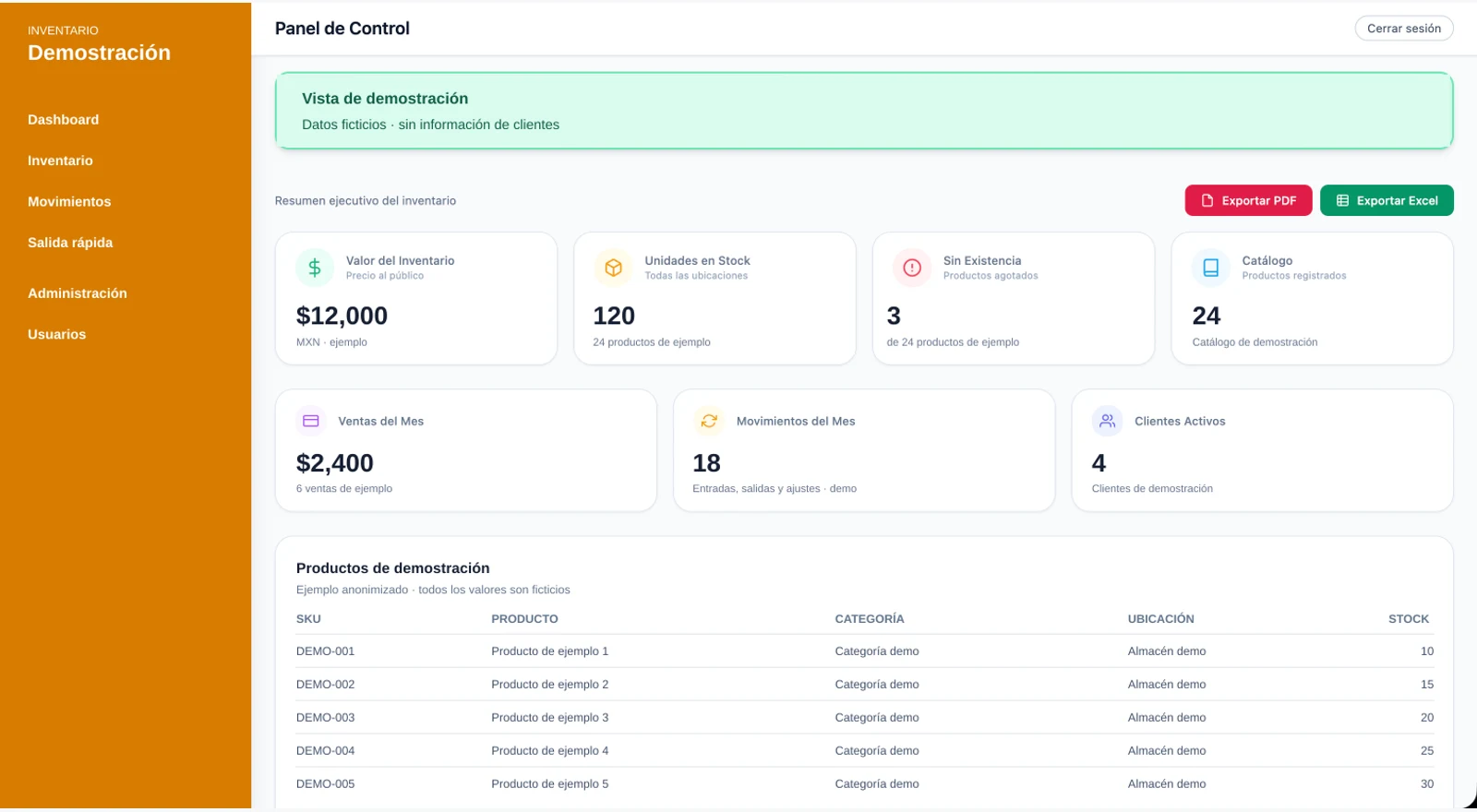


A B2B customer portal is a secure space where your customers, distributors or suppliers look up information and complete operations on their own: orders, account statements, invoices, documents or request tracking. It makes sense when your team spends a significant share of its time answering repetitive questions or re-entering orders that arrive by email and chat.
When does a portal make sense?
Which features add the most value first?
Not everything has to be in the first version. These usually deliver the highest return:
Order and request status
Letting customers see what stage their order is in removes a large share of follow-up calls and emails.
Documents and invoices
Downloading invoices, statements and documents without waiting for someone to send them.
Online ordering
Order entry with the customer's catalog, prices and terms, flowing straight into your system without re-entry.
Users and permissions per company
Each customer manages its own users and each user sees only what applies to them.
What does the portal need behind it?
A portal is only as good as the data it shows. It needs to be connected to your ERP, inventory or order system to show real information. If that information lives in spreadsheets today, the first step is unifying it.
Buy or build?
Some ERPs and CRMs include basic portals. If they cover your cases, use them. A custom portal is justified when your commercial terms, approval processes or customer experience are different, or when you need to combine information from several systems in one view.
How to launch without a giant project
Summary
A B2B portal frees your team from repetitive work and gives customers autonomy. It works best when connected to your systems and launched in stages, starting with what your customers ask about most.
At QuantixCode we design customer and distributor portals connected to the real operations of B2B companies. If you want to assess whether it makes sense for you, we can review it together.