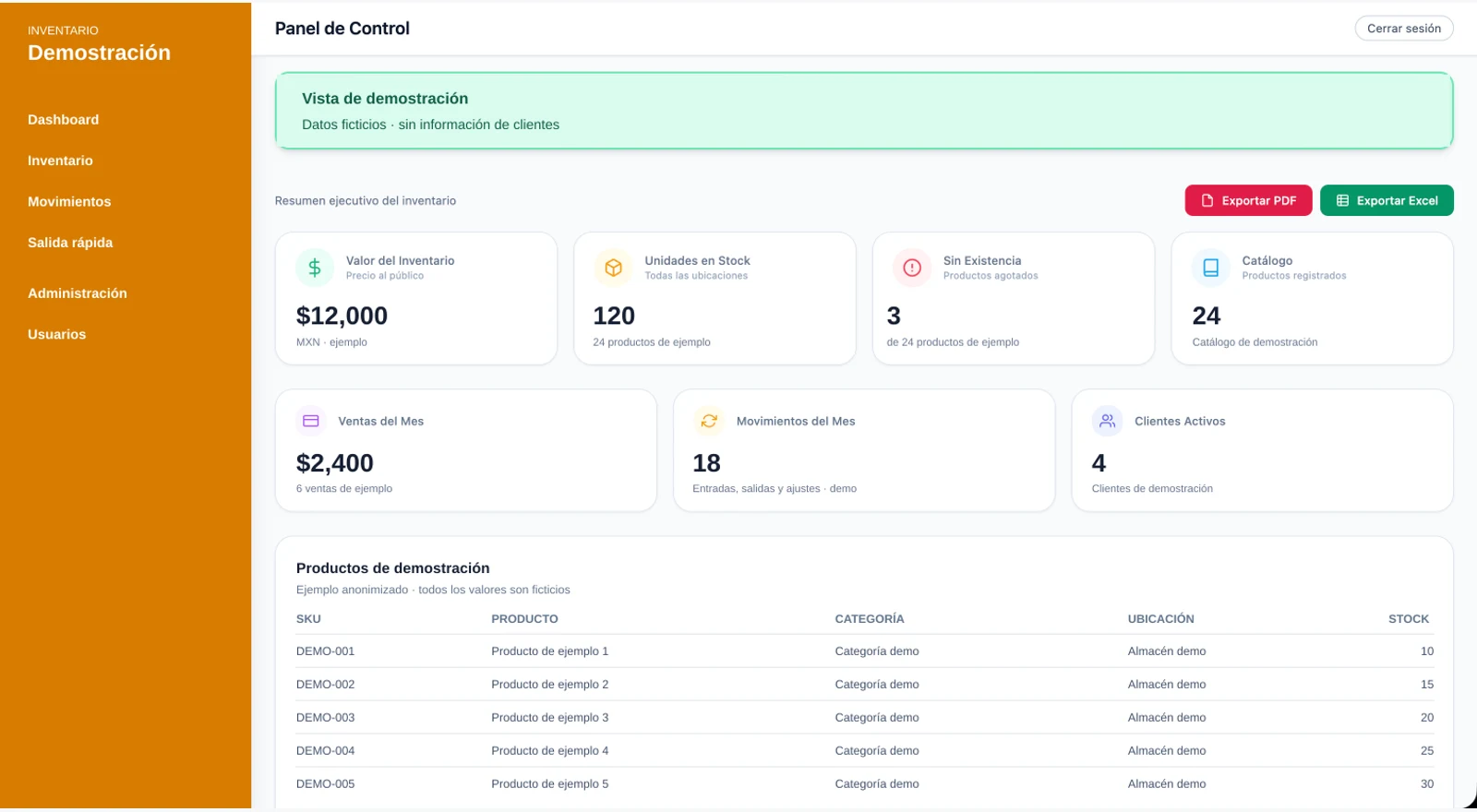


A single source of truth is an agreement, backed by technology, about where the official version of each important piece of data lives and who can change it. It doesn't mean having one system for everything: it means that for each piece of data everyone knows which system is the reference, and the rest stay in sync with it.
Why don't each team's reports match?
It is almost never bad faith or a calculation error. Numbers don't match because each team pulls data from a different place, at a different time and with a different definition.
Unifying information means solving all three, not just the technical one.
Do you have to replace every system?
No. In most cases the systems you already use work well for what they were designed for. The problem lives in the gaps between them: information copied by hand, files acting as bridges and processes nobody owns.
Replacing everything at once is expensive, risky and stalls the operation. A staged approach connects what works, replaces only what truly gets in the way and builds custom only what no system covers.
How do you build it in stages?
1. Inventory your critical data
List the data your decisions depend on: customers, products, orders, inventory, prices. For each one, note where it is created, where it is changed and who uses it.
2. A system of record for each piece of data
Decide which system owns each piece of data. For example, the ERP owns price and the CRM owns the sales contact. That agreement keeps two systems from "fighting" over the same value.
3. Shared definitions
Write down what each important metric means and which data it comes from. It sounds bureaucratic, but it is what lets every team arrive at the meeting with the same number.
4. Reliable integrations
Connect the systems so information flows without manual entry, with validation, retries and alerts when something fails. An integration that fails silently is worse than no integration.
5. A business-facing query layer
With data aligned, a dashboard or internal application can show consolidated information to each role, with clear permissions. This is where a custom system usually adds the most: it brings together in one view what is scattered today.
What changes once you get there?
Which mistakes should you avoid?
Summary
A single source of truth is not a new system but an agreement about where each piece of data lives, backed by reliable integrations and shared definitions. It is built in stages, connecting before replacing.
At QuantixCode we design and implement that foundation for B2B companies: integrations, data model and, when needed, the custom system that brings the operation into one place.